

CHEATERS!
What our opinion about weight loss drugs really says about us.

Prefer to listen? Click play on the audio track above to hear SVB read you these words.
And don’t forget your Reflection Points at the end.
“We have to have the courage to sense the moral high ground that we’re standing on.”
IT CAME ACROSS the table in a whisper.
Head bowed down slightly, nearly conspiratorially, a slight glance of the eyes to ensure no one was eavesdropping.
“Don’t you feel like it’s cheating?” my friend asked, as we tucked into our sushi.
I paused, my senses alerted. This was not the question I was expecting when we launched into this conversation.
We were at lunch, just over a year ago, and it was a discussion about the increasing prevalence of weight loss drugs that was the starred item on the menu.
It would not be the first time – nor the last – that this topic was posed to me in search of a reaction, or – as I’ve come to learn – in hopes of validation.
Nor would it in no way be the only time someone referred to the use of the medications as “cheating.”
It’s an observation I’ve sat on quite a bit as I’ve mulled over my own emotions about this seemingly shrinking world we live in, which largely revolve around concerns about what happens when we remove the primary motivation that lead many people to pay attention to their nutrition and exercise in the first place. As someone who has made a career in helping others find their “why” around wellbeing, I know all too well that long-term, you’ll-be-glad-you-did-this-in-20-years benefits aren’t exactly a hot commodity.
Which is why I also know that two of the most unspoken ingredients fueling large swaths of my industry are insecurity and judgment.
This is where there will inevitably be some sort of proverbial gasp uttered upon being offended. But as opposed to knee-jerking to a “not me!” mentality, I think it’s important to acknowledge that our opinions regarding someone else’s approach to their weight speak solely about us and our relationship with our bodies.
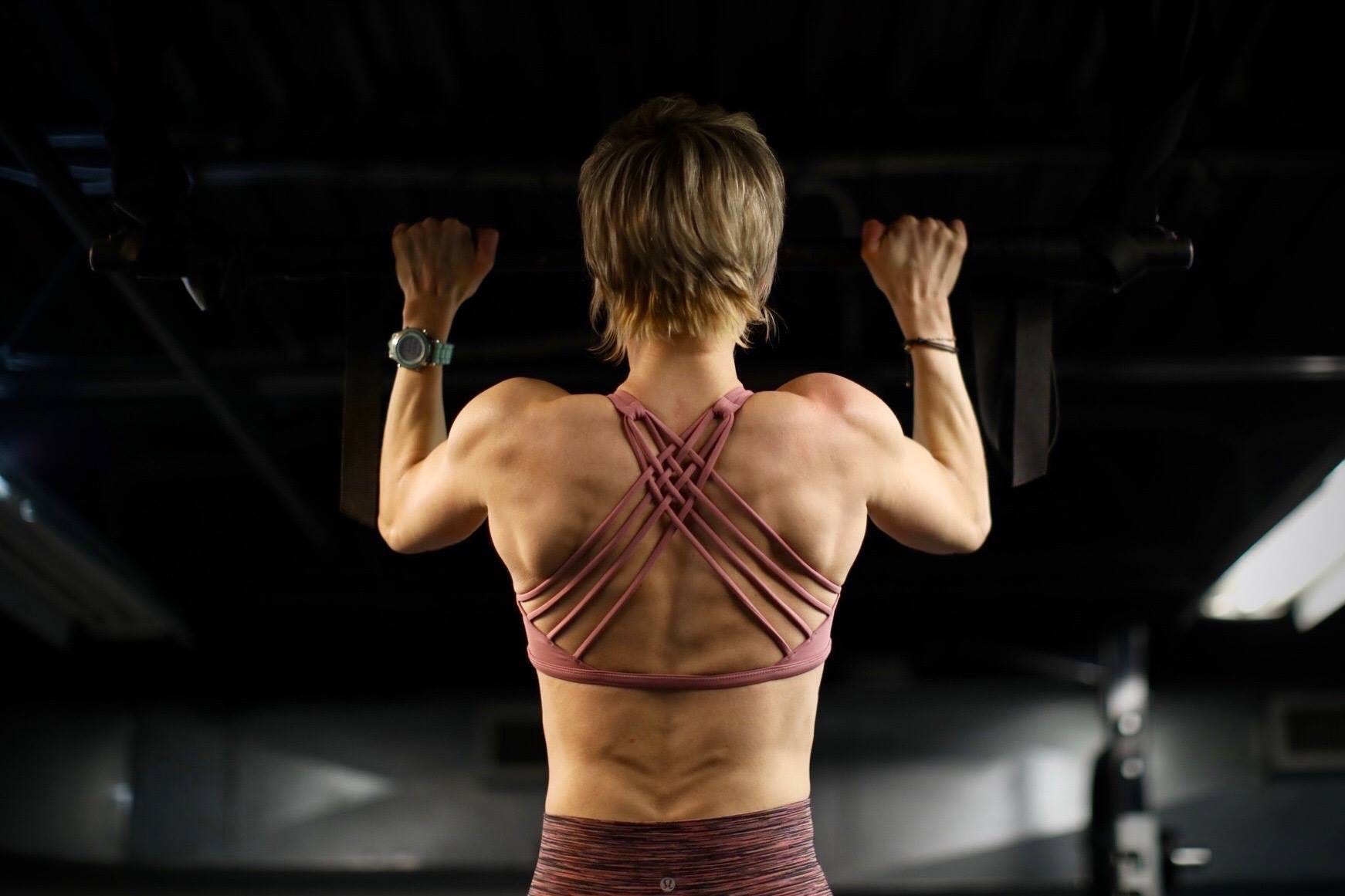
Hear me out, because I get it – likely more than anyone. When you work hard for what you have – and, perhaps most importantly, for the actual aesthetic manifestation of that effort – there is a built-in source of pride, as your body serves as a billboard for your level of commitment. Willpower. Determination.
Yet now, there is the capacity for someone to wear the same size jeans as you without needing to set an early alarm, passing on dessert or tracking their daily steps.
And that doesn’t exactly feel fair, does it?
But here’s the thing: If we answer no (and please, let’s keep it real) we have to have the courage to sense the moral high ground that we’re standing on to issue that opinion to begin with.
We must recognize that so many of us (note the word “us”) have aligned our identity so squarely with our devotion to our wellbeing that someone else’s choices feel like an attack on our character.
Like I overheard a woman say in the salon the other day on the topic:
“That should be an absolute last resort.”
When what she didn’t say, but what was implied, was “because I would never.”
No, she’s not a cheater.
But cheating – I would argue – is in the eye of the beholder.
Which is why if you find yourself disagreeing with how someone else tends to their body, I’d encourage you to take a hard look at why you tend to yours.
Because there’s a good chance your “why” is misguided. Rooted more in striving – and proving – than nourishment.
And there’s an equally good chance that’s because you’ve been fed a narrative by the fitness industry that the only health worth valuing is that which is earned.
Don’t get me wrong: There is immense dignity in the work of caring for yourself, provided that work doesn’t require the devaluation of someone else to feel worthwhile.
Because if your pride depends on someone else’s “lack thereof,” you aren’t practicing health. You’re building a hierarchy.
And anyone who needs a pedestal to feel like their best selves is ultimately the one cheating.
***
Coming Up Next Week: Tired is a Thing
A plea to stop demonizing this basic human experience.
Like what you just read? Create a ripple effect by supporting and sharing the love.

Write them, think them, talk them. There is no right or wrong way to navigate these prompts. Except to go into them without judgment or expectation. Be curious. And honest. Have the courage to sit with yourself.
Look at your most disciplined health habit (the one you’re most proud of). If no one ever saw the physical result of that work — no “billboard,” no data, no visible change — would you still do it? Does the value of your effort come from how it makes you feel, or how it makes you look to others?
Identify a moment where you felt resentful of someone else’s “shortcut” (a medical tool, a simpler routine, a life made easier). Does their ease feel like a personal insult to your struggle?
When you look at someone on the “lower arm” of the K-shape wellness economy – someone struggling with vitality or relying on external help – what is your immediate internal narrative? Is it empathy for a fellow human, or a “puffing out of the chest” regarding your own discipline? Ask yourself: Is my wellness a bridge to others, or a pedestal to stand above them?